

A seminar can have strong speakers and useful content, but the venue still shapes how much people absorb. Organisers choosing a seminar venue in Phuket should think about attention, comfort, timing and delegate flow, because the room can either support the message or make people work harder to stay engaged.
The Room Should Match The Purpose Of The Session
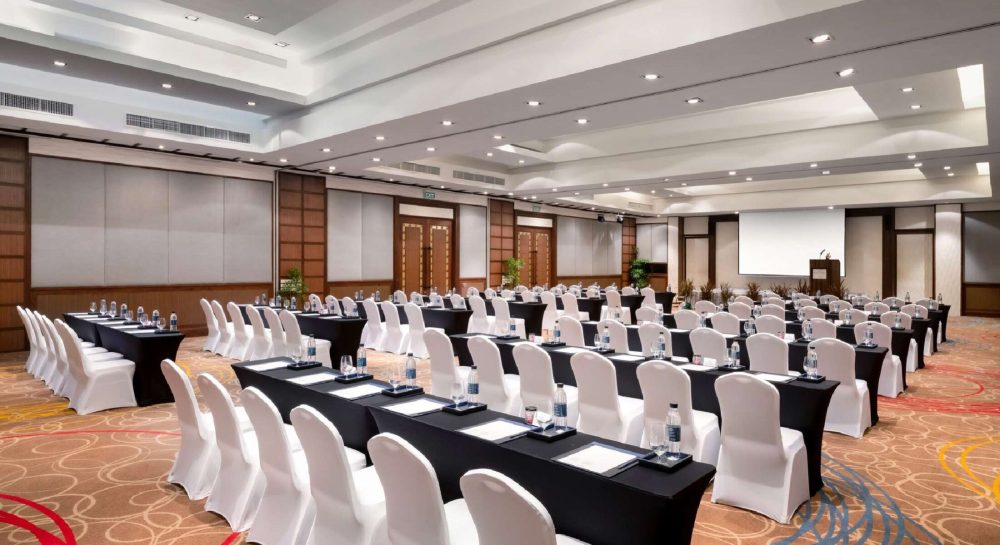
A seminar is not always a simple presentation. Some events are designed to teach, others to persuade, update, train, launch, align or encourage discussion. The layout should support that purpose. Theatre-style seating may work for a keynote or formal briefing, but it can feel restrictive for training or group work. Classroom seating can support note-taking, while round tables may encourage discussion but weaken focus on a single speaker.
The mistake organisers often make is choosing a room based only on capacity. Capacity matters, but it does not tell you whether people will be able to see the speaker, hear properly, take notes, move comfortably or participate. A room that technically holds the right number of delegates may still feel wrong if the shape, lighting or acoustics do not suit the agenda.
Before booking, it helps to map the seminar from start to finish. Will there be one speaker or several? Will delegates need laptops? Will there be breakout groups? Will the speaker move around the room? These details should shape the venue choice.
Comfort Has A Direct Effect On Concentration
People do not listen well when they are uncomfortable. In a warm destination, reliable air conditioning, good airflow and sensible room temperature are especially important. Lighting also matters. A room needs to be bright enough for attention and note-taking, but not so bright that slides become difficult to read.
Seating should be comfortable enough for the length of the session. If delegates are expected to sit for several hours, cramped rows or poor spacing can quickly reduce concentration. Good sightlines are equally important. People should not have to twist, lean or look around pillars to follow the speaker.
Sound is another detail that often gets noticed only when it fails. Microphones, speakers and acoustics should be suitable for the room and audience size. A seminar loses authority quickly if delegates are straining to hear or if speakers are interrupted by technical problems.
Breaks Are Part Of The Learning Experience
Breaks are not just gaps between sessions. They give delegates time to process information, ask informal questions and reset before the next topic. A good seminar venue should have practical spaces for coffee, networking and short conversations away from the main room.
The timing of breaks matters too. Long sessions without pauses can reduce attention, particularly when delegates are travelling, working in a second language or dealing with a packed agenda. Short, well-placed breaks can improve energy and make the formal content more effective.
Refreshments should also fit the schedule. If coffee service is slow or lunch is awkwardly placed, the event can lose momentum. The best venues make these transitions feel smooth, so delegates return to the room ready to continue rather than distracted by logistics.
The Setting Should Support The Wider Event
Phuket can offer more than a meeting room. For seminars linked to leadership development, client engagement, incentive travel or team training, the wider setting can help make the event more memorable. That does not mean the event needs to feel like a holiday, but the environment should support the purpose of bringing people together.
Outdoor areas, informal networking spaces, dining options and nearby accommodation can all shape the delegate experience. The venue should make arrival simple, movement easy and the day feel professionally managed.
A successful seminar is not only judged by whether the agenda was completed. It is judged by whether people listened, understood, remembered and acted on what was shared. The right venue helps create the conditions for that to happen.
Comments are closed.