

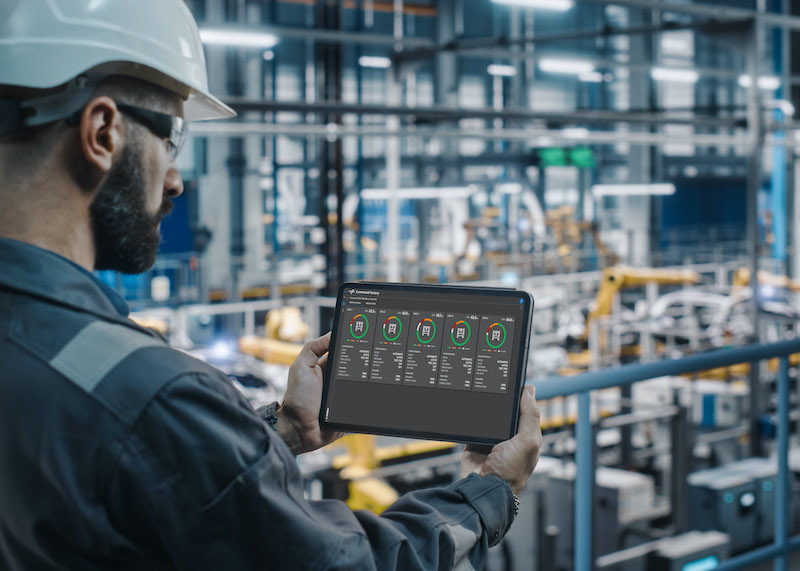
The manufacturing industry is one of the largest energy consumers in the world. With an ever-growing demand for resources, energy costs can significantly affect a company’s bottom line. However, as industries face increasing pressure to reduce costs and improve environmental impact, the integration of smart energy solutions has emerged as a vital strategy. Smart energy is transforming the manufacturing sector by optimizing energy consumption, reducing costs, and promoting sustainability. In this article, we explore the key reasons why smart energy is essential for the future of industry manufacturing.
What is Smart Energy?
Before delving into the benefits, it’s important to define what smart energy is. Smart energy refers to the integration of advanced technologies and systems that help industries monitor, manage, and optimize their energy consumption. These systems include smart grids, energy management software, IoT-enabled devices, sensors, and real-time data analytics. The combination of these technologies allows manufacturers to track energy use, predict demand, and adjust operations to ensure maximum efficiency.
Smart energy solutions enable real-time monitoring, analysis, and control of energy consumption, allowing manufacturers to make informed decisions. As energy costs rise and environmental concerns intensify, the need for such solutions has become more pressing. Now, manufacturers can reduce waste, enhance productivity, and ensure that energy resources are used in the most efficient way possible.
Energy Efficiency and Cost Reduction
One of the primary reasons manufacturers are turning to smart energy solutions is the potential for significant cost savings. Energy efficiency is one of the most direct ways to reduce operational expenses. Traditional energy systems often operate without taking into account fluctuating demand, leading to energy waste. Smart energy systems, on the other hand, can dynamically adjust energy usage based on real-time data.
For example, through energy management software and sensors, manufacturers can monitor energy consumption at every stage of production. By identifying inefficiencies, such as equipment running when not needed or excess energy use, businesses can make adjustments to optimize energy consumption. This reduces wasted energy, leading to lower energy bills and more predictable operating costs.
Additionally, smart energy systems allow for the use of renewable energy sources. By incorporating solar panels, wind energy, or geothermal systems, manufacturers can supplement their energy supply, further reducing reliance on traditional, costlier energy sources. Many smart energy systems also allow manufacturers to store excess energy generated during periods of low demand, which can be used later when demand is higher, further improving cost efficiency.
Sustainability and Environmental Responsibility
As global awareness of climate change and environmental degradation grows, there is increasing pressure on manufacturers to adopt sustainable practices. The manufacturing sector, being one of the largest contributors to global carbon emissions, faces scrutiny from governments, investors, and consumers alike. Smart energy solutions help manufacturers meet environmental goals by reducing energy consumption and minimizing their carbon footprint.
By optimizing energy use, manufacturers can significantly reduce greenhouse gas emissions. Smart energy systems help industries use energy more responsibly, thereby contributing to a cleaner environment. The ability to incorporate renewable energy sources into the production process not only reduces dependence on fossil fuels but also promotes the use of green energy, which aligns with sustainability goals.
Moreover, energy efficiency initiatives often qualify for government incentives, such as tax rebates, grants, or credits. This not only encourages manufacturers to adopt smart energy but also provides them with financial support, making the transition more affordable. In this way, manufacturers can reduce their environmental impact while benefiting from incentives that help offset costs.
Enhancing Operational Efficiency
Energy management is a crucial part of enhancing overall operational efficiency. With smart energy systems, manufacturers gain the ability to monitor and control energy usage in real time. This capability allows businesses to identify and address inefficiencies that can otherwise disrupt operations. Smart sensors, for instance, can detect equipment malfunctions or anomalies that might lead to unnecessary energy consumption.
In addition to real-time monitoring, predictive analytics powered by smart energy systems can forecast energy demand, enabling manufacturers to adjust their operations accordingly. This leads to fewer disruptions, more reliable operations, and improved productivity. When manufacturers can anticipate energy needs accurately, they are better equipped to make adjustments that keep production running smoothly and prevent costly downtime.
Predictive maintenance is another area where smart energy significantly enhances operational efficiency. Through the use of IoT-enabled sensors and data analysis, manufacturers can predict when machines or equipment will need maintenance or repairs. This proactive approach prevents unexpected failures and ensures that energy is not being wasted due to malfunctioning equipment. By keeping systems running efficiently, manufacturers avoid costly repairs and downtime, ultimately improving their bottom line.
Competitive Advantage in the Market
Manufacturers that adopt smart energy solutions gain a significant competitive advantage in the marketplace. As more industries recognize the importance of energy efficiency and sustainability, companies that take a proactive approach in adopting smart energy can differentiate themselves from their competitors. Not only do these businesses save money, but they also position themselves as environmentally responsible, which can improve their reputation and appeal to a growing base of eco-conscious consumers.
Moreover, smart energy solutions enable manufacturers to remain agile in the face of fluctuating energy prices. By continuously monitoring and adjusting energy usage, manufacturers can minimize the impact of rising energy costs. This ability to control energy consumption and reduce expenses gives businesses greater flexibility, allowing them to stay competitive even in challenging economic conditions.
Future-Proofing the Manufacturing Sector
The world of manufacturing is changing rapidly. As technology advances and global demands evolve, manufacturers must adapt to remain relevant. Smart energy systems provide the tools necessary for future-proofing manufacturing operations. By integrating these systems into production processes, manufacturers ensure that they are equipped to handle the challenges and opportunities that lie ahead.
For example, as electric vehicles (EVs) become more popular, the demand for battery production and the energy required to power manufacturing plants will increase. Smart energy systems will play a crucial role in managing this new energy demand, ensuring that manufacturers can meet future needs without compromising efficiency or sustainability.
Additionally, as governments around the world continue to set stricter regulations on energy consumption and emissions, adopting smart energy solutions allows manufacturers to stay ahead of regulatory changes. By complying with these regulations early on, manufacturers can avoid potential fines or penalties and stay competitive in an increasingly regulated global market.
The Road Ahead
Smart energy is a key element in shaping the future of industry manufacturing. By integrating advanced energy management systems, manufacturers can achieve greater energy efficiency, reduce costs, and minimize their environmental impact. These benefits not only enhance a manufacturer’s bottom line but also contribute to a more sustainable and responsible future. As the demand for energy-efficient solutions grows, manufacturers that embrace smart energy will position themselves as leaders in their industries, driving innovation and ensuring long-term success in an ever-changing market.
Comments are closed.