

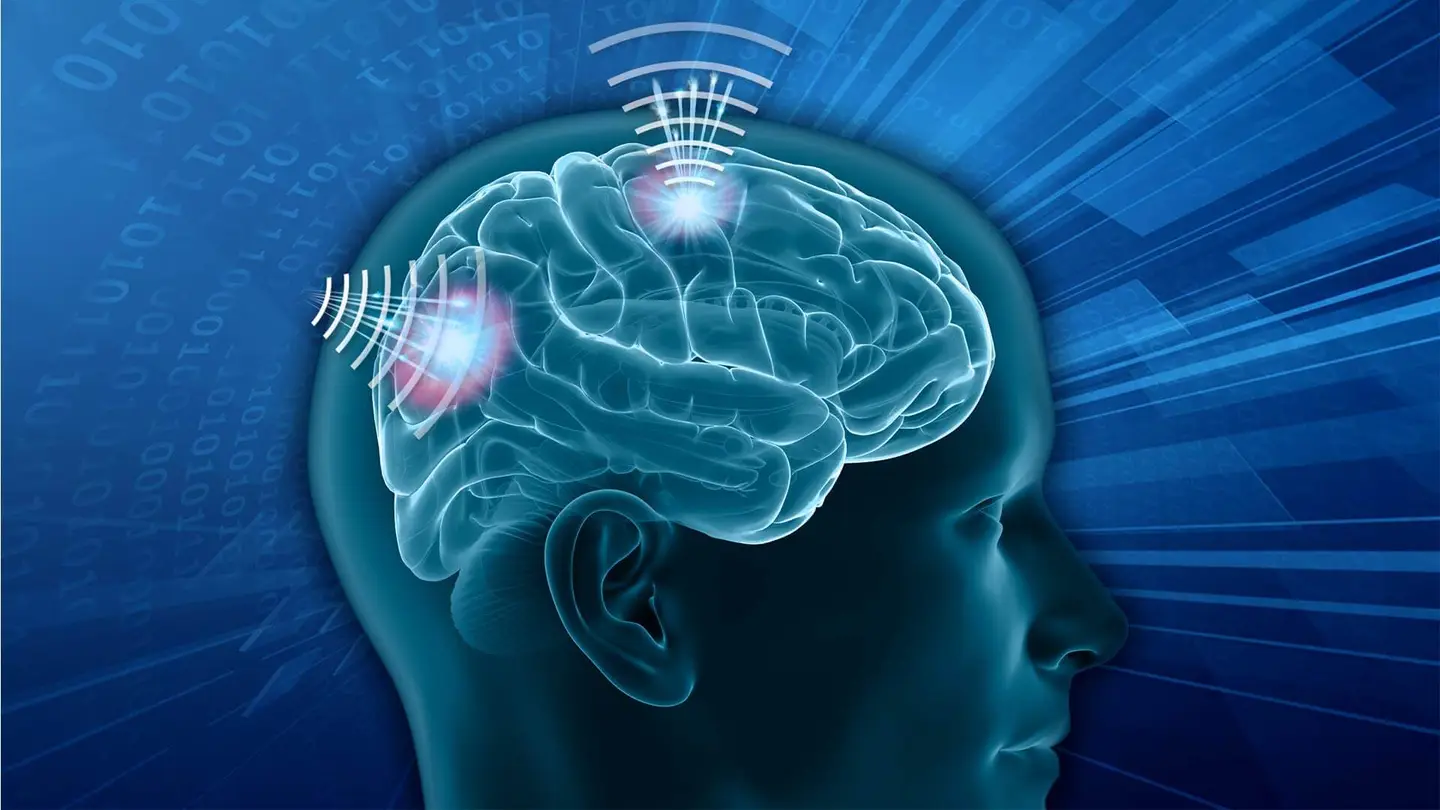
Introduction: The Machine That Changed Everything
In the grand narrative of human advancement, few inventions have rivaled the computer in terms of transformative power. From vast mainframes occupying entire rooms to sleek laptops that slip into briefcases and smartphones that fit in our pockets, the computer has become an indispensable extension of the modern mind. It is the silent engine behind scientific discoveries, artistic expression, business innovation, and global communication. As we delve into the history, mechanics, and implications of the computer, we begin to understand not just a machine—but a revolution.
The Birth of an Idea: From Calculating Machines to Digital Intelligence
The journey of the computer began long before the digital age. The earliest known computing devices were mechanical tools, such as the abacus in ancient Mesopotamia and Blaise Pascal’s mechanical calculator in the 17th century. These devices served as stepping stones to Charles Babbage’s 19th-century Analytical Engine, a conceptual precursor to modern computing. However, it was the 20th century that truly ignited the age of the computer.
-
ENIAC (1945): The first electronic general-purpose computer, built in the U.S., marked a monumental shift
-
Transistors and Integrated Circuits (1950s–60s): These innovations drastically reduced size and cost
-
Personal Computers (1970s–80s): Apple, IBM, and Microsoft brought computers into homes and offices
-
Internet Age (1990s onwards): Networked computing reshaped how we access, process, and share information
From then on, the trajectory of computing has been exponential, continually pushing the limits of speed, storage, and intelligence.
Understanding the Core Components of a Computer
Every computer, regardless of form or complexity, operates using several essential components:
1. Central Processing Unit (CPU)
Known as the brain of the computer, the CPU executes instructions and processes data. Modern CPUs contain multiple cores, enabling multitasking and parallel computing.
2. Memory and Storage
-
RAM (Random Access Memory): Temporary storage that allows quick access to data in active use
-
Hard Drives and SSDs: Long-term storage solutions, with SSDs offering faster read/write speeds
3. Input and Output Devices
-
Input: Keyboards, mice, touchscreens, scanners, microphones
-
Output: Monitors, printers, speakers
4. Software and Operating Systems
Without software, the hardware is inert. Operating systems (like Windows, macOS, and Linux) manage hardware and allow users to interact with the machine through applications and interfaces.
The Multifaceted Role of Computers in Modern Life
1. Education and Learning
Computers have revolutionized education. From digital classrooms to virtual labs and e-books, they make knowledge accessible anytime, anywhere.
-
E-learning platforms like Khan Academy and Coursera
-
Interactive simulations for science and engineering
-
AI-powered tutoring systems offering personalized learning
2. Business and Commerce
In the corporate world, computers are the backbone of operations. They streamline workflows, facilitate global communication, and drive decision-making through data analytics.
-
Enterprise Resource Planning (ERP) systems
-
Digital marketing, CRM tools, and automated invoicing
-
Remote collaboration platforms like Zoom and Microsoft Teams
3. Scientific Research and Innovation
From decoding the human genome to simulating climate change, computers power modern scientific inquiry.
-
High-performance computing for simulations
-
Big data analysis in genomics and epidemiology
-
AI integration in robotics and material science
4. Art and Creativity
Contrary to the cold image of machinery, computers have become powerful allies in human creativity.
-
Digital design in architecture, fashion, and interior planning
-
Music composition, video editing, and digital painting
-
Virtual reality experiences and interactive storytelling
5. Everyday Convenience
For the average person, computers quietly enhance daily life—navigating via GPS, shopping online, managing finances, or simply browsing the web for information.
The Rise of Artificial Intelligence and Quantum Computing
We are witnessing the dawn of a new computing era—one that moves beyond traditional programming into the realms of machine learning and quantum mechanics.
Artificial Intelligence (AI)
Computers now “learn” from data, adapting and making decisions. AI is integrated into voice assistants, facial recognition, and predictive analytics, with potential applications in every industry.
Quantum Computing
Still in its infancy, quantum computing promises to solve problems far too complex for classical machines. By leveraging quantum bits (qubits), it could revolutionize fields such as cryptography, drug discovery, and logistics optimization.
Ethical Considerations and Digital Responsibility
With great power comes great responsibility. As computers grow smarter and more embedded in our lives, they raise important ethical and societal questions:
-
Data privacy: Who controls the data we generate?
-
Job automation: How do we adapt as machines replace certain types of labor?
-
Digital divide: How do we ensure equal access to computing technology across socioeconomic lines?
-
Environmental impact: Can we make computing greener and more sustainable?
These questions demand thoughtful regulation, education, and global cooperation to ensure technology serves humanity’s best interests.
Conclusion: The Computer as a Catalyst of Human Potential
The computer is not merely a tool—it is a transformative force, redefining how we think, create, work, and live. It bridges art and science, numbers and narratives, logic and imagination. As we stand on the brink of even more radical innovations, one truth remains constant: the computer is only as powerful as the vision and values of the humans who design and use it. Embracing its potential responsibly, we can shape a future where this digital brain becomes the greatest ally of the human spirit.
Comments are closed.