


Modern investors are increasingly looking beyond traditional stocks and bonds to diversify their portfolios and reduce exposure to market volatility. Alternative investments offer unique opportunities, different risk profiles, and potential for higher returns. Understanding these asset classes helps investors make informed decisions in a changing financial landscape.
Choosing the right tools matters for active traders seeking speed, low fees, and advanced charts. best day trading platforms theinvestorscentre.co.uk provides detailed comparisons, broker reviews, and feature breakdowns to help UK traders select reliable platforms that support fast execution, risk management, and profitable intraday trading strategies.
What Are Alternative Investments?
Alternative investments include any asset class outside of traditional equities, fixed income, and cash. They often behave differently from public markets, making them valuable for diversification.
Common Characteristics
- Lower liquidity than traditional assets
- Potential for higher returns
- Less correlation with the stock market
- Require more research and understanding
Why Modern Investors Are Exploring New Asset Classes
Alternative investments have gained popularity due to market volatility, shifting economic cycles, and increased access through digital platforms.
Key Drivers of Growth
- Technological innovation enabling fractional investing
- Desire for inflation-resistant assets
- Access to global markets and niche opportunities
- Increased interest in passive income and capital preservation
Popular Categories of Modern & Alternative Investments
1. Real Estate and REITs
Real estate remains one of the most established alternative assets.
Benefits:
- Rental income
- Long-term appreciation
- Inflation hedge
Options include:
- Residential and commercial properties
- Real Estate Investment Trusts (REITs)
- Real estate crowdfunding platforms
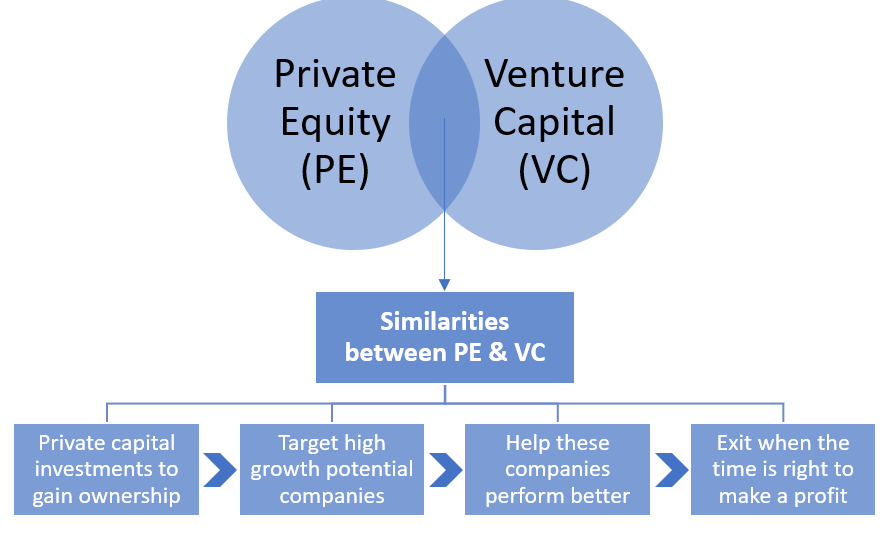
2. Private Equity and Venture Capital
Investors fund private companies or startups in exchange for equity.
Pros:
- High-return potential
- Exposure to innovative businesses
Cons:
- High risk
- Long investment horizon
3. Commodities
Commodities include physical goods such as gold, oil, and agricultural products.
Why Investors Choose Commodities:
- Hedge against inflation
- Useful during economic uncertainty
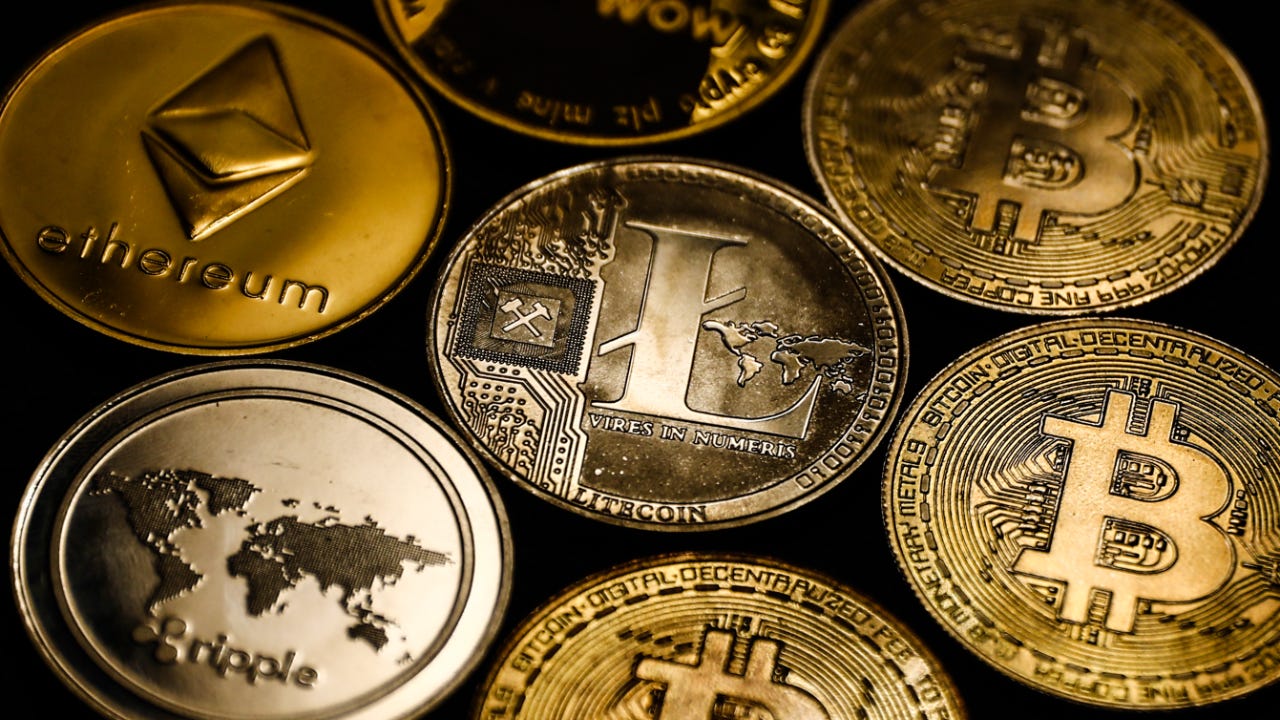
4. Cryptocurrencies and Blockchain Assets
Digital assets have created a new frontier of investing.
Examples: Bitcoin, Ethereum, tokenized assets
Advantages:
- Decentralization
- High growth potential
Risks:
- Market volatility
- Regulatory uncertainties
5. Collectibles and Luxury Assets
These include fine art, rare coins, vintage cars, and luxury watches.
Advantages:
- Unique value appreciation
- Low correlation with traditional markets
Challenges:
- Requires expert knowledge
- Limited liquidity
6. Peer-to-Peer Lending
Individuals lend money through digital platforms in exchange for interest.
Benefits:
- Passive income
- Diversification beyond public markets
Risks:
- Borrower default
- Economic downturn sensitivity
7. Hedge Funds
Pooled funds using advanced strategies such as shorting, derivatives, and leverage.
Why Investors Choose Them:
- Professional management
- Potential for high risk-adjusted returns

Advantages of Modern & Alternative Investments
Portfolio Diversification
Alternative assets reduce reliance on stock market performance.
Higher Return Potential
Many alternative assets outperform traditional investments during certain economic cycles.
Protection Against Inflation
Real estate, commodities, and luxury items often retain or increase value during inflationary periods.
Expanded Market Access
Digital platforms now allow fractional ownership, making investment opportunities accessible to more people.
Risks and Considerations
Lower Liquidity
Assets like private equity and collectibles may take years to sell.
Higher Fees
Some platforms and funds charge additional management or performance fees.
Complexity
Many alternative assets require deeper knowledge and due diligence.
Regulation Variability
Cryptocurrencies and private markets face ongoing regulatory changes.
How to Start Investing in Alternative Assets
1. Assess Your Risk Tolerance
Alternative investments often involve higher risk.
2. Start Small
Begin with asset classes you understand.
3. Use Reputable Platforms
Choose well-established marketplaces for real estate, crypto, or P2P lending.
4. Diversify Across Several Alternatives
Spread risk across categories rather than focusing on one.
5. Stay Educated
Markets evolve quickly—continuous learning is key.
FAQs
1. Are alternative investments suitable for beginners?
Yes, but beginners should start with simpler alternatives like REITs or P2P lending.
2. Do alternative investments guarantee higher returns?
No. While they may offer higher potential, they also come with increased risk.
3. How much of my portfolio should be in alternatives?
Many advisors recommend 5–20%, depending on goals and risk tolerance.
4. Are alternative investments regulated?
Some are regulated (like REITs), while others (like crypto) may face evolving regulation.
5. Can alternative assets generate passive income?
Yes—real estate, REITs, and P2P lending can provide recurring income.
6. Are cryptocurrencies considered safe investments?
They carry high volatility and should be approached cautiously.
7. What is the biggest downside of alternative investments?
Limited liquidity and higher complexity are common challenges.
Meta Title
Modern & Alternative Investments | Guide to New and Emerging Asset Classes
Meta Description
Discover modern and alternative investments including real estate, crypto, private equity, commodities, and more. Learn benefits, risks, strategies, and FAQs for smart portfolio diversification.
Comments are closed.