

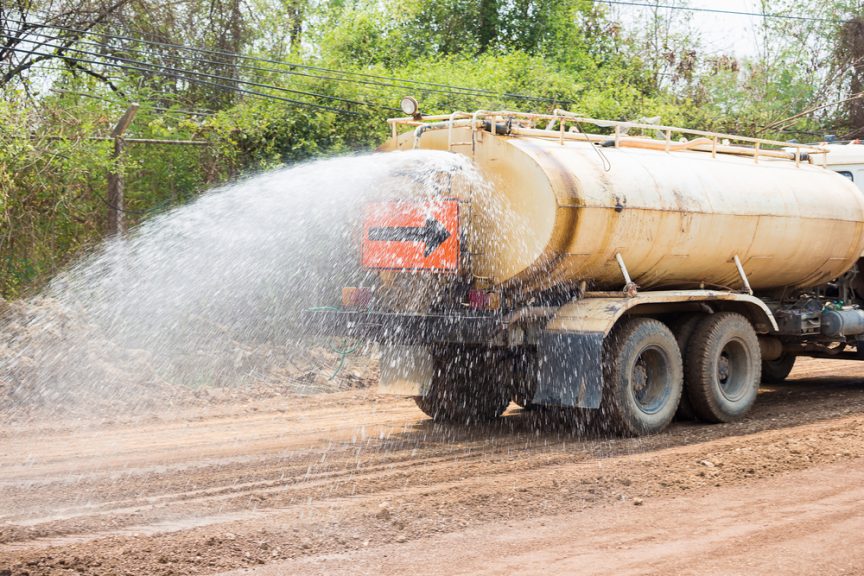
Air pollution from dust is a significant challenge in industrial and construction settings, impacting worker health, environmental quality, and regulatory compliance. Dust control cannons, also known as fog or mist cannons, have emerged as a powerful tool to mitigate this issue by effectively reducing airborne particulate matter. Mist cannons use fine water droplets to trap dust particles, preventing them from becoming a hazard. Let’s explore how dust control cannons help reduce air pollution and create a safer work environment.
Capturing dust at the source
One of the primary advantages of dust control cannons from sites like bosstek.com is their ability to target dust at its source. In operations such as mining, construction, or demolition, large volumes of dust are generated during material handling, drilling, or crushing. If not managed, these particles can quickly spread through the air, contributing to local air pollution. Dust control cannons emit a fine mist that binds with airborne particles, causing them to become heavier and fall to the ground. This process significantly reduces the amount of dust that escapes into the surrounding environment, minimizing the spread of pollution at its origin.
Improving air quality on work sites
Due to dust and particulate matter, industrial and construction sites are often plagued by poor air quality. These conditions can lead to respiratory problems, decreased visibility, and reduced productivity. By using dust control cannons, companies can create a cleaner and healthier work environment. The fine mist generated helps capture dust before it can disperse widely. This improves air quality for workers and nearby communities, making it an essential tool for operations close to residential areas.
Meeting regulatory standards
Strict regulations govern air quality and dust emissions in many industries. Companies that fail to manage dust effectively may face penalties, project delays, or legal action. These dust suppression solutions effectively meet these regulatory standards. By significantly reducing airborne dust levels, these machines help industries remain compliant with local and international air quality guidelines. Taking a proactive approach to dust control can also improve a company’s reputation and foster better relationships with regulatory bodies and the public.
Reducing environmental impact
Dust pollution not only affects workers’ health but also has a broader environmental impact. Fine particulate matter can settle on plants, water bodies, and soil, disrupting ecosystems and causing long-term damage. Dust control cannons help mitigate these effects by significantly reducing the amount of dust released into the environment. Additionally, modern dust control cannons are designed to optimize water usage, ensuring the suppression process is efficient and sustainable. Many systems use advanced nozzles and adjustable settings to deliver precise amounts of water, minimizing waste and the risk of over-saturation.
Enhancing efficiency with advanced technology
Modern dust control cannons are equipped with advanced features that enhance their efficiency and adaptability. Adjustable spray ranges, customizable nozzles, and automated systems allow operators to tailor the mist output to specific site conditions. For example, in windy environments, operators can adjust the angle and power of the cannon to ensure optimal coverage. Many systems also come with remote control capabilities, allowing real-time adjustments without interrupting site operations. These technological advancements make dust control cannons increasingly indispensable for managing air pollution.
Dust control cannons are crucial in reducing air pollution by capturing dust at its source, improving air quality, and minimizing environmental impact. Their ability to meet regulatory standards, adapt to different site conditions, and support sustainable practices makes them an essential tool for industries seeking to manage dust effectively.
Comments are closed.