

A successful gathering depends on more than a clear patch of ground. People need to arrive easily, understand where to go, feel comfortable while they are there and leave with a positive impression of the place. A well-planned event space can support everything from cultural performances and brand activations to markets, exhibitions and community activities, provided it is designed with flexibility from the start.
Flexibility Is The Real Measure Of Usefulness
Event organisers rarely need the same layout twice. A weekend market, product launch, outdoor screening, wellness session and live performance all place different demands on a site. One may need open circulation and stall access. Another may need seating, lighting, sound control and a clear focal point.
This is why flexibility matters more than a fixed visual concept. A useful space should be able to change without feeling improvised. Open areas, movable furniture, adaptable staging zones and practical access points allow organisers to shape the environment around each event.
The design should also consider different audience sizes. A space that feels lively with 100 people should not feel unmanageable with 1,000. Good planning creates zones that can expand or contract, so smaller events still feel intimate and larger events remain organised.
Arrival Shapes The Whole Experience
An event begins before the programme starts. The journey into the venue influences how visitors feel when they arrive. If entrances are hard to find, queues block walking routes or signage is unclear, the event can feel stressful before anyone reaches the main area.
A strong event space should make arrival simple. People need clear routes from public transport, parking areas, pedestrian connections and surrounding streets. They also need obvious meeting points, visible information and enough space to gather without causing congestion.
This is especially important in busy urban areas, where an event may sit alongside offices, shops, restaurants and everyday pedestrian movement. The space has to welcome attendees while still allowing normal city life to continue around it.
Infrastructure Makes Events Easier To Run
The practical details behind an event often decide whether it works smoothly. Power supply, lighting, waste management, water access, loading routes, storage options and emergency access may not be visible to visitors, but they matter enormously to organisers.
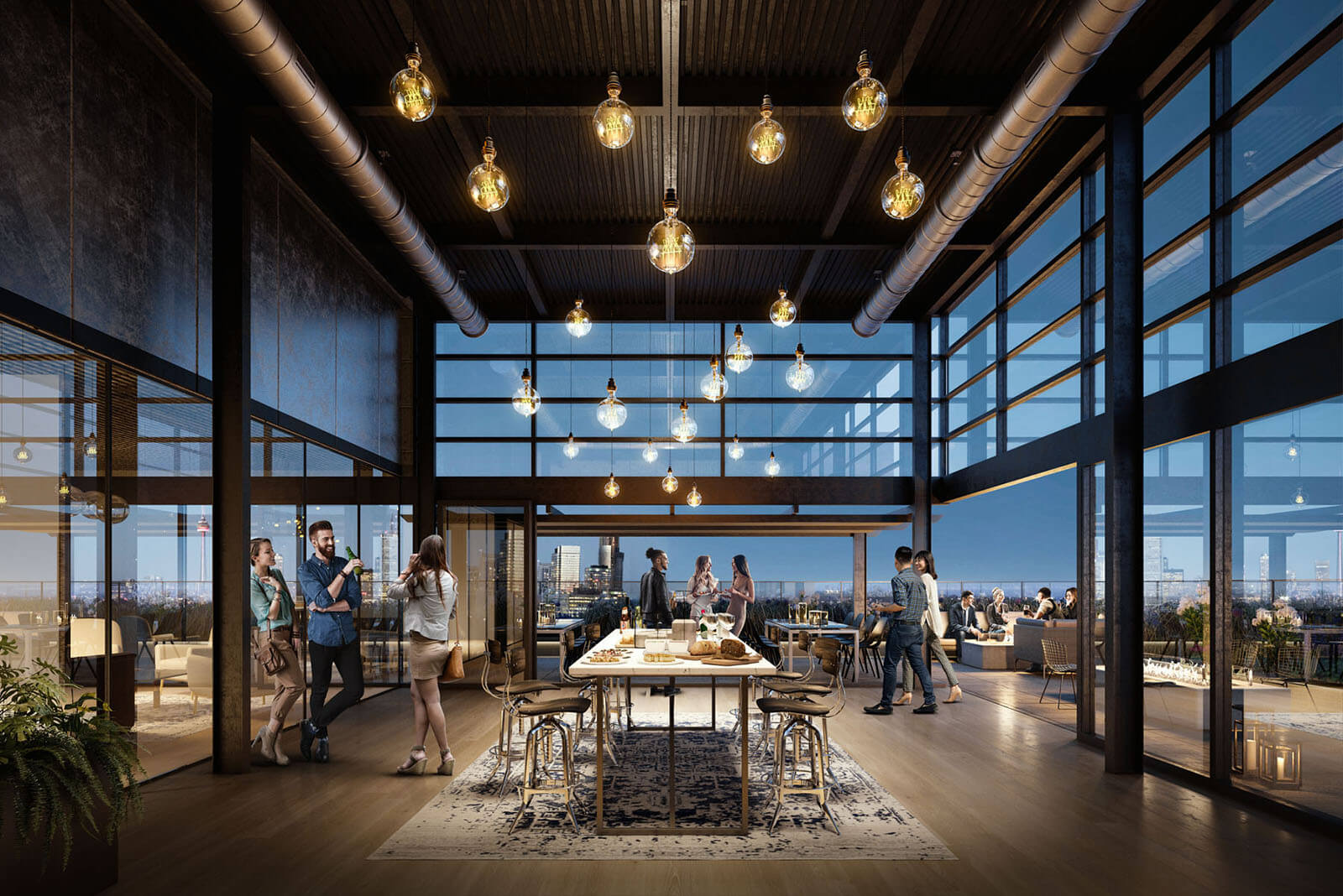
A beautiful space can become difficult to use if every event requires temporary fixes. Built-in infrastructure gives organisers more confidence and reduces disruption. It can also support a wider range of activities, from food-led events to performances, exhibitions and seasonal installations.
Acoustics and noise management should be considered too. Outdoor events need energy, but they should not overwhelm nearby users or residents. Thoughtful positioning of stages, speakers and gathering areas can help balance atmosphere with comfort.
Comfort Keeps People Engaged For Longer
People are more likely to stay at an event when the environment supports them. Shade, seating, lighting, toilets, nearby refreshments and safe walking routes all affect dwell time.
Comfort is not only about convenience. It changes the mood of an event. A shaded seating area gives families somewhere to pause. Clear lighting helps evening events feel safer. Greenery softens hard surfaces and makes the setting more pleasant. Good circulation stops crowds from feeling trapped or confused.
Weather planning is also important. In hot or rainy climates, exposed spaces can quickly become difficult to use. Covered routes, tree shade, drainage and sheltered areas can make events more resilient and reduce the chance that weather undermines attendance.
Programming Brings A Space To Life
An event space becomes more valuable when it supports a varied calendar. Large public events may attract attention, but smaller recurring activities can be just as important. Morning fitness sessions, craft markets, food pop-ups, music performances, art installations and family workshops can all help people form a habit of returning.
The strongest programming reflects the people who use the surrounding area. Office workers, residents, tourists, families and local businesses may all want different experiences. A balanced programme gives each group a reason to participate without making the space feel overmanaged.
Good event spaces are not just hired areas. They become platforms for culture, commerce and community. When design, access, infrastructure and programming work together, the result is a place that can keep adapting while still feeling coherent, welcoming and memorable.
Comments are closed.