

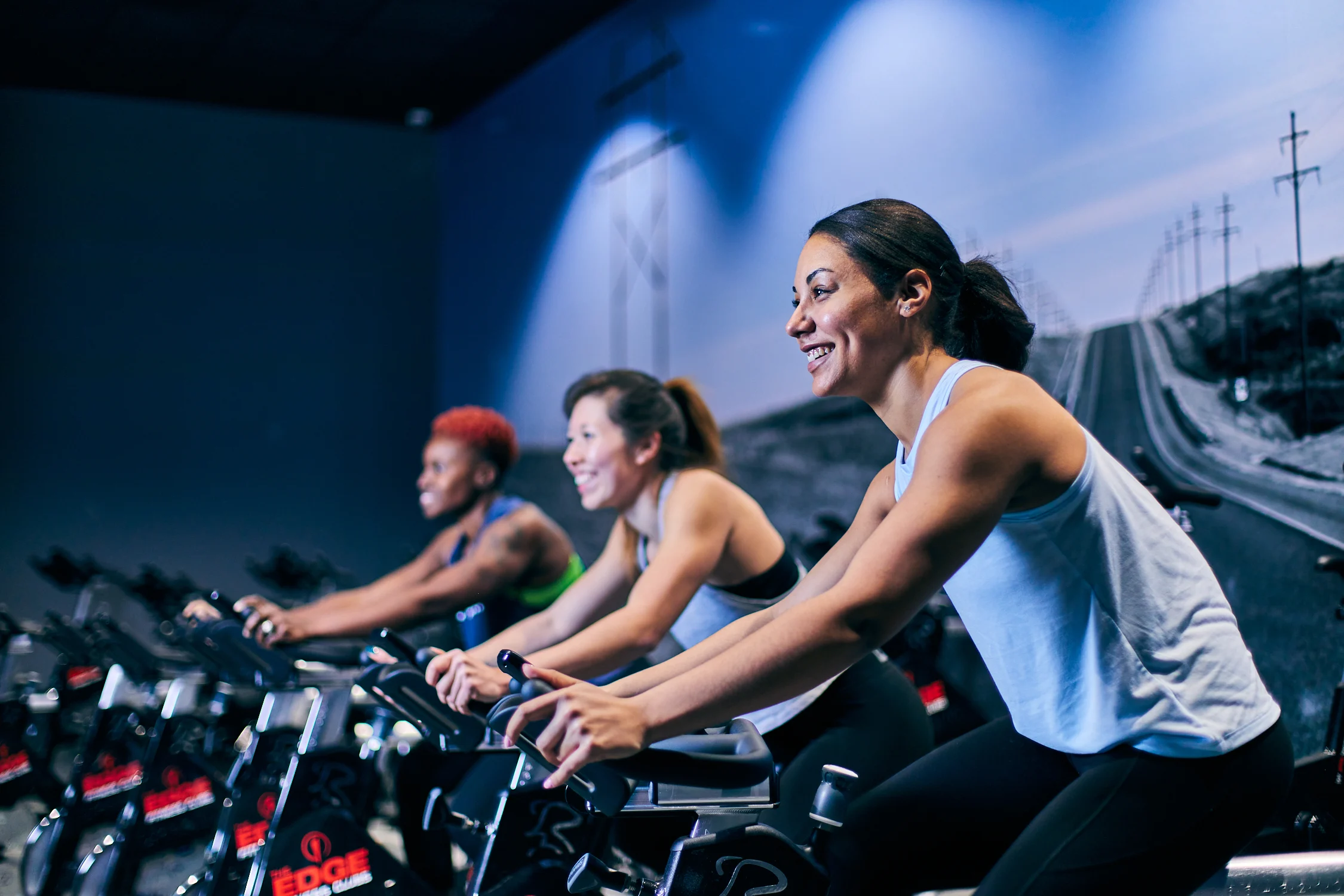
Indoor cycling has become more data driven than ever. Modern spin classes no longer rely purely on how tired you feel or how fast the music goes. Today, riders are surrounded by screens, numbers, and performance feedback that promise better results and motivation. When used correctly, these tools add clarity and structure to training. When misunderstood, they can cause confusion or unnecessary pressure. A well coached spin studio singapore environment helps riders use data as guidance rather than distraction.
This article explains the most common spin metrics, how apps and smart bikes work together, and how everyday riders can use technology to improve consistency and enjoyment without overthinking performance.
Why data matters in indoor cycling
Indoor cycling removes variables like wind, terrain, and traffic. This makes it ideal for consistent measurement. Every ride happens in a controlled environment, which allows data to reflect real changes in fitness.
Data in spin training helps by:
-
Providing objective feedback
-
Tracking progress over time
-
Guiding effort during classes
-
Supporting motivation and accountability
The key is knowing which numbers matter and which can be ignored.
The four core metrics used in spin classes
Most modern spin studios focus on a small set of performance indicators. Each metric reflects a different aspect of effort.
The most common metrics are:
-
Cadence
-
Resistance or gear level
-
Heart rate
-
Power output
Understanding how these interact helps riders interpret what they see on screen.
Cadence and movement efficiency
Cadence measures how fast the pedals are turning, usually in revolutions per minute.
Cadence affects:
-
Cardiovascular demand
-
Muscle fatigue
-
Joint comfort
-
Ride rhythm
Higher cadence generally places more demand on the heart, while lower cadence increases muscular load. Neither is better on its own. Structured classes use cadence changes intentionally to target different systems.
Resistance and perceived effort
Resistance controls how hard each pedal stroke feels. Unlike outdoor cycling, resistance is manually adjusted indoors.
Resistance influences:
-
Muscle engagement
-
Joint loading
-
Heart rate response
-
Power generation
The same cadence can feel completely different depending on resistance. This is why resistance cues are as important as speed cues.
Heart rate and internal response
Heart rate shows how hard the cardiovascular system is working. It reflects internal stress rather than external output.
Heart rate is useful for:
-
Monitoring overall effort
-
Identifying recovery versus work phases
-
Preventing overexertion
-
Tracking long term fitness changes
However, heart rate can be influenced by sleep, stress, hydration, and temperature, especially indoors.
Power output and measurable work
Power output combines cadence and resistance into a single number. It measures how much work is being produced.
Power data helps with:
-
Objective performance comparison
-
Consistent intensity control
-
Tracking fitness progression
-
Removing guesswork from effort
Power is stable and reliable, but not every rider needs to focus on it constantly.
Why metrics sometimes conflict
It is common to see high power with a moderate heart rate or a high heart rate with lower output.
This happens because:
-
Fatigue affects heart response
-
Heat raises heart rate
-
Stress alters nervous system signals
-
Recovery level changes daily capacity
Metrics should be viewed together rather than in isolation.
Using perceived effort alongside data
Technology works best when paired with body awareness. Perceived effort remains one of the most reliable tools in spin training.
Combining both looks like:
-
Using data to confirm how effort feels
-
Adjusting when numbers do not match sensations
-
Avoiding ego driven competition
-
Respecting off days without guilt
This balance prevents burnout and frustration.
Smart bikes and integrated displays
Smart bikes are designed to provide consistent resistance and accurate feedback across sessions.
Key features include:
-
Calibrated resistance systems
-
Real time performance display
-
Consistent bike geometry
-
User profile integration
These features allow riders to focus on effort rather than equipment variability.
Apps and performance tracking
Many spin studios integrate apps that store ride data. These apps help riders review progress beyond a single session.
Useful app features include:
-
Class history tracking
-
Average effort trends
-
Heart rate summaries
-
Personal best comparisons
Apps work best as long term tracking tools rather than daily judgement tools.
Leaderboards and motivation psychology
Leaderboards can motivate some riders while discouraging others. Their impact depends on mindset.
Leaderboards can:
-
Encourage effort during intervals
-
Create friendly competition
-
Increase engagement
-
Highlight consistency over time
They become harmful when riders chase numbers beyond their capacity.
Personalising metrics to fitness level
Beginners, intermediate riders, and advanced riders use data differently.
Beginners benefit from:
-
Cadence guidance
-
Effort ranges rather than targets
-
Learning consistency
Intermediate riders benefit from:
-
Power trends
-
Recovery awareness
-
Balanced intensity distribution
Advanced riders benefit from:
-
Zone precision
-
Performance benchmarks
-
Structured progression
Data should evolve with experience.
Metrics and recovery awareness
Data is useful not only during effort but also for recovery.
Signs recovery may be insufficient include:
-
Higher than normal heart rate at easy effort
-
Reduced power output at familiar resistance
-
Difficulty reaching usual cadence
-
Increased perceived effort
Using metrics to recognise these signs prevents overtraining.
Data driven progression without pressure
Progression does not mean constant improvement every ride. It means gradual upward trends over weeks.
Healthy progression looks like:
-
Stable averages improving slowly
-
Easier recovery between efforts
-
Better control at similar outputs
-
Reduced emotional attachment to daily numbers
This mindset keeps training sustainable.
Technology and habit building
Consistency matters more than precision. Technology helps reinforce habits when used correctly.
Helpful habit supports include:
-
Attendance tracking
-
Streak visualisation
-
Scheduled class reminders
-
Progress summaries over time
These features support routine rather than obsession.
Privacy and personal data awareness
With apps and connected bikes, data privacy matters.
Riders should:
-
Understand what data is stored
-
Know who can see performance metrics
-
Choose privacy settings that feel comfortable
-
Avoid comparing personal data publicly unless desired
Comfort with data sharing affects enjoyment.
Adapting when technology is unavailable
Technology enhances spin training but is not essential. Good training still works without screens.
When data is unavailable:
-
Focus on breathing cues
-
Use cadence ranges
-
Adjust resistance by feel
-
Follow instructor guidance
Skills learned with data transfer easily to screen free sessions.
Avoiding common tech related mistakes
Technology can create unnecessary stress if misused.
Common mistakes include:
-
Chasing leaderboard positions
-
Ignoring fatigue signals
-
Comparing across different fitness levels
-
Expecting linear progress every ride
Awareness helps riders avoid these traps.
Choosing studios that use technology wisely
Not all studios use technology the same way. The best environments integrate data without overwhelming riders.
Well designed studios:
-
Explain metrics clearly
-
Encourage personal pacing
-
Emphasise effort over ranking
-
Use technology as support, not pressure
Facilities such as TFX Singapore focus on structured spin experiences where data complements coaching rather than replacing it.
Technology and long term engagement
Data keeps training interesting over time by showing subtle improvements that may not be felt immediately.
Long term engagement benefits include:
-
Increased motivation through visible progress
-
Better understanding of personal limits
-
More informed training choices
-
Reduced injury risk through awareness
When used patiently, data becomes a confidence builder.
Balancing simplicity and sophistication
Not every ride needs full analysis. Some sessions are about enjoyment and stress relief.
Balanced use means:
-
Some rides focused on numbers
-
Some rides focused on feeling
-
Accepting variability
-
Letting enjoyment guide consistency
This balance supports long term commitment.
Preparing mentally for data driven classes
Before class, it helps to set intention.
Helpful mental preparation includes:
-
Choosing a focus metric or ignoring all metrics
-
Accepting today’s capacity
-
Prioritising completion over performance
-
Letting instructors guide intensity
Intentionality prevents distraction.
The future of spin technology
Spin technology continues to evolve with better integration, personalised feedback, and smarter analytics.
Future trends may include:
-
More adaptive resistance systems
-
Improved recovery tracking
-
Better personalisation
-
Less emphasis on comparison
The goal remains better experiences, not more numbers.
Real life FAQs
Which metric should I focus on during class?
Most riders benefit from focusing on cadence and perceived effort, using other metrics as reference only.
Do I need a heart rate monitor to improve?
No. It helps, but breathing and effort cues are equally effective.
Why does my heart rate feel high on some days?
Sleep, stress, hydration, and heat all affect heart rate. Daily variation is normal.
Are leaderboards useful for beginners?
They can motivate, but beginners should prioritise comfort and consistency over ranking.
Is power output more important than heart rate?
Neither is more important. Power shows output, heart rate shows internal response. Both provide context.
Can apps replace coaching?
No. Technology supports training, but coaching provides context, safety, and motivation.
Should I track every spin session?
Tracking is helpful, but not mandatory. Long term trends matter more than individual rides.
By understanding how data, apps, and smart bikes work together, riders can use technology as a supportive tool rather than a source of pressure. When metrics guide rather than control the experience, spin training becomes more engaging, sustainable, and rewarding over the long term.
Comments are closed.