

Introduction: Defining Technology in Our Lives
Technology—commonly abbreviated as tech—has become the invisible thread weaving together every facet of modern existence. From the smartphones in our pockets to the vast networks powering global communications, tech is not merely a tool but a transformative force reshaping how we live, work, and interact. Understanding the breadth and depth of technology’s influence is essential for appreciating its opportunities and addressing its challenges. This article delves into the multifaceted world of tech, exploring its evolution, contemporary applications, societal impacts, and future trajectories.
The Evolution of Technology: From Tools to Ecosystems
Technology’s roots stretch back millennia, beginning with rudimentary tools that extended human capabilities. However, the pace and scale of technological advancement have accelerated exponentially in recent centuries.
-
Industrial Revolution: Introduced mechanization and mass production, transforming economies and societies
-
Information Age: Marked by the rise of computers and digital communication, enabling instant access to knowledge
-
Internet Era: Connected billions globally, fostering unprecedented exchange and innovation
-
Current Phase: Characterized by artificial intelligence (AI), quantum computing, biotechnology, and more
This trajectory reflects a continuous human endeavor to innovate, optimize, and transcend limitations.
Key Pillars of Contemporary Technology
1. Artificial Intelligence and Machine Learning
AI refers to systems capable of performing tasks that traditionally require human intelligence, such as reasoning, language understanding, and pattern recognition. Machine learning, a subset of AI, enables computers to learn from data and improve over time without explicit programming.
-
Applications: Virtual assistants, predictive analytics, autonomous vehicles, medical diagnostics
-
Impact: Enhances efficiency, personalization, and decision-making across industries
2. Internet of Things (IoT)
IoT connects everyday objects—from thermostats to industrial machines—to the internet, allowing seamless data exchange and control.
-
Benefits: Smart homes, improved supply chain management, real-time monitoring
-
Challenges: Security vulnerabilities, data privacy concerns
3. Cloud Computing
Cloud technology offers on-demand access to computing resources and storage over the internet, eliminating the need for local infrastructure.
-
Advantages: Scalability, cost efficiency, collaboration enhancement
-
Popular providers: Amazon Web Services, Microsoft Azure, Google Cloud
4. Biotechnology and Health Tech
Cutting-edge innovations in genetics, pharmaceuticals, and medical devices are revolutionizing healthcare.
-
Examples: Gene editing (CRISPR), wearable health monitors, telemedicine
-
Significance: Personalized treatments, early disease detection, global health accessibility
The Societal Impact of Technology
Technology has profoundly reshaped society, influencing economic structures, cultural dynamics, and individual lifestyles.
Economic Transformation
-
Automation: Streamlines manufacturing and services but raises concerns about job displacement
-
Digital Economy: Emergence of e-commerce, gig work, and remote employment opportunities
-
Innovation Hubs: Tech clusters foster entrepreneurship and regional development
Communication and Social Interaction
-
Social media platforms redefine how people connect, share, and mobilize
-
Instant messaging and video conferencing bridge geographical divides
-
Digital literacy becomes critical for participation and empowerment
Ethical and Privacy Considerations
-
Data breaches and surveillance challenge notions of privacy and consent
-
Algorithmic biases can perpetuate inequalities
-
Responsibility lies in developing transparent, fair, and accountable technologies
Navigating the Challenges: Balancing Progress with Prudence
While technology offers immense benefits, it also presents multifaceted challenges that require careful navigation.
-
Cybersecurity Threats: Increasingly sophisticated cyberattacks demand robust defenses
-
Digital Divide: Unequal access to technology exacerbates social disparities
-
Environmental Impact: Tech production and data centers consume significant energy and resources
-
Mental Health: Overexposure to digital media correlates with stress and reduced attention spans
Addressing these issues calls for interdisciplinary collaboration among technologists, policymakers, and society at large.
Future Horizons: Emerging Trends in Technology
Looking forward, several transformative trends promise to redefine tech’s role in the coming decades.
-
Quantum Computing: Potential to solve complex problems beyond the reach of classical computers
-
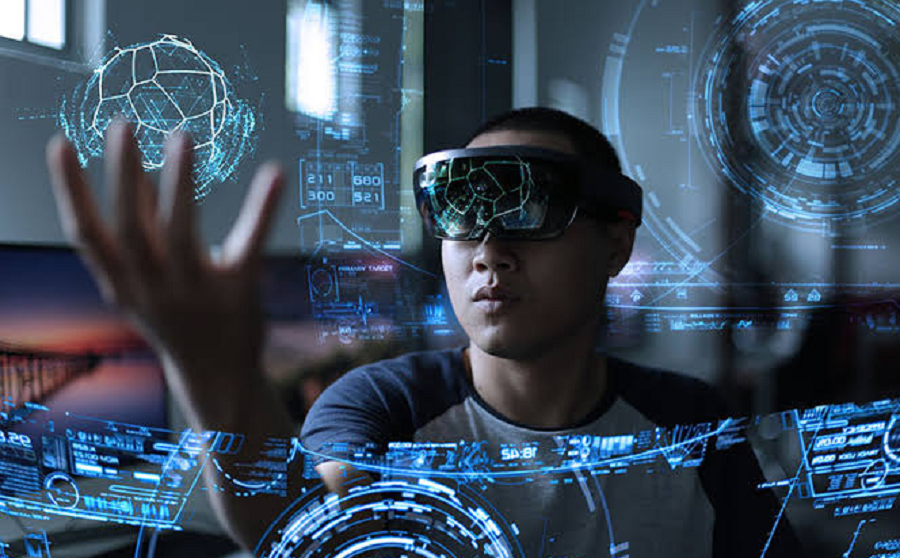
Extended Reality (XR): Integration of augmented, virtual, and mixed reality in entertainment, education, and work
-
5G and Beyond: Ultra-fast, low-latency networks enabling new applications like autonomous drones and smart cities
-
Human-Technology Integration: Advances in brain-computer interfaces and wearable tech blurring the lines between biology and machines
Embracing these innovations responsibly will be key to unlocking their full potential.
Conclusion: Technology as a Catalyst for Human Advancement
Technology is not an end in itself but a dynamic enabler of human creativity, productivity, and connection. Its evolution reflects our aspirations to improve quality of life, expand knowledge, and solve pressing challenges. As we stand at the cusp of unprecedented change, cultivating a nuanced understanding of tech’s capabilities and implications is vital. With thoughtful stewardship, technology can serve as a powerful catalyst, shaping a future that is inclusive, sustainable, and profoundly innovative.
Comments are closed.