

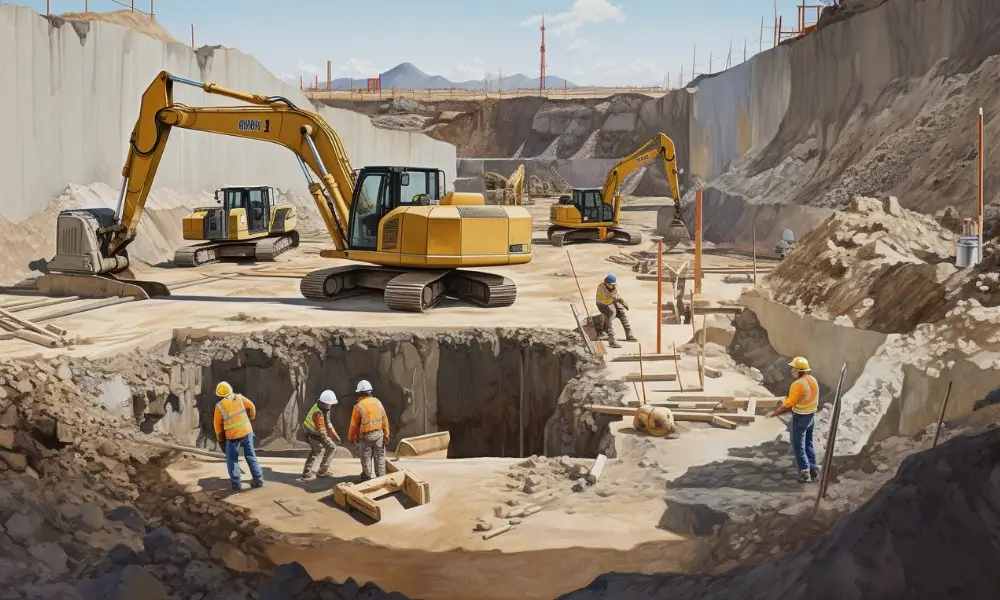
Excavation projects in high-risk flood zones present a range of unique challenges that require careful planning, innovative solutions, and adherence to strict regulations. Flood zones, typically defined as areas prone to flooding due to natural conditions such as heavy rainfall, storm surges, or rising rivers, require excavation professionals to be highly vigilant. Excavation in these areas is not only dangerous, but it also involves addressing environmental, technical, and logistical obstacles. Understanding these challenges is crucial for companies involved in excavation and construction in flood-prone regions.
Unstable Ground Conditions and Soil Compaction
One of the most immediate challenges faced when excavating in flood zones is the often unstable and unpredictable nature of the ground. Flooding can significantly alter the soil structure, leading to weakened or saturated earth. The soil may become loose or overly compacted after being submerged in water, which can cause instability when digging deep trenches or foundations. This presents a significant safety risk, as it increases the possibility of landslides or trench collapses, particularly when working near water bodies or floodplains.
To address this, excavation teams need to conduct thorough geotechnical assessments before beginning any excavation work. A soil test can determine the soil’s moisture content and bearing capacity, which will help guide equipment selection and excavation techniques. Additionally, engineers may opt for ground stabilization methods, such as soil compaction or the introduction of additives to strengthen the soil, ensuring a stable foundation for excavation activities.
Water Table Variations and Groundwater Management
The presence of a high water table in flood zones adds an additional layer of complexity to excavation projects. Excavating in areas where the water table is close to the surface can result in significant water intrusion. This complicates the excavation process, as waterlogged areas are more prone to cave-ins, and the increased moisture can prevent the proper compaction of soil. Moreover, the fluctuating water levels caused by seasonal flooding can affect how excavation equipment operates.
To mitigate the impact of high water tables, excavation companies must implement effective groundwater management strategies. This typically involves the installation of dewatering systems, such as sump pumps, well points, or trench drains, to remove excess water from the excavation site. Proper drainage techniques are also essential to redirect surface water and prevent erosion or flooding from delaying progress. Timely removal of water allows for safer, more efficient excavation in high-risk flood zones.
Environmental Impact and Compliance with Regulations
Excavation in flood zones must be conducted with strict attention to environmental regulations. Disrupting the natural floodplain or wetland area can lead to negative environmental consequences, such as the loss of habitat for wildlife, increased sedimentation, and altered hydrological patterns. Excavation teams must also be aware of the potential for contamination from hazardous materials, which can be exacerbated by flooding.
Regulatory compliance is another significant challenge. Governments impose stringent rules on excavation projects in flood zones to protect both the environment and public safety. These regulations can include limitations on excavation depth, mandatory erosion control measures, and restrictions on the types of machinery that can be used in flood-prone areas. For example, excavation teams may need to obtain special permits or conduct environmental impact assessments before commencing work. Non-compliance can lead to costly fines, project delays, or even the suspension of work altogether.
Equipment Selection and Maintenance
Choosing the right equipment for excavation in high-risk flood zones is critical. Flood zones often involve soft, saturated ground that can cause heavy machinery to become bogged down or stuck. Excavators, bulldozers, and cranes must be equipped with specialized tracks or flotation devices to ensure they can navigate wet and unstable terrain effectively. Using the wrong equipment can lead to delays, additional costs, and even equipment breakdowns, particularly if the machinery is not properly maintained for the harsh conditions.
In addition to selecting the proper equipment, it is important to conduct regular maintenance to ensure that it operates optimally. Continuous exposure to wet conditions can lead to rust, corrosion, and other forms of damage to machinery. Excavation companies must be prepared for frequent inspections and maintenance of their equipment to avoid costly repairs or downtime during critical phases of the project.
Time Constraints Due to Weather and Flooding
One of the most significant challenges when working in flood zones is the unpredictability of weather conditions. Flooding can occur suddenly and without warning, especially in regions that experience frequent storms or seasonal rains. These unforeseen events can halt excavation work, disrupt schedules, and extend project timelines. Workers may be forced to delay excavation activities until floodwaters subside, which can lead to significant delays in project completion.
To manage these uncertainties, excavation companies must build flexibility into their project schedules. This includes contingency plans to account for weather-related delays and to ensure that all necessary safety measures are in place when conditions worsen. Weather forecasting tools, along with continuous monitoring of flood risks, can provide valuable insights into when it is safe to proceed with excavation and when to postpone work to ensure worker safety and project integrity.
Safety of Workers and Public Health
Excavation in flood zones is inherently dangerous, and the safety of workers must be a top priority. Beyond the immediate risks of trench collapse and equipment malfunctions, excavation projects in flood zones present additional hazards such as waterborne diseases and toxic contaminants. Floodwaters can carry pollutants from sewage systems, industrial sites, or agricultural runoffs, which pose serious health risks to workers and the surrounding community.
To mitigate these risks, excavation companies must implement stringent safety protocols, including providing workers with proper personal protective equipment (PPE), such as waterproof boots, gloves, and face masks. Regular health checks and training on flood-related risks are essential to ensure that workers are fully prepared to handle the hazards associated with working in high-risk flood zones.
Conclusion
Excavating in high-risk flood zones requires a multi-faceted approach to mitigate the many challenges that arise in such environments. From unstable ground conditions and fluctuating water tables to regulatory compliance and equipment selection, every aspect of the excavation process must be carefully considered. By incorporating advanced groundwater management techniques, ensuring safety through proper equipment, and adhering to environmental regulations, excavation teams can successfully navigate the complexities of working in flood-prone areas. Though the challenges are significant, the opportunities for innovation, safety, and environmental responsibility in high-risk flood zones are equally substantial, providing a pathway for sustainable and successful excavation projects.
Comments are closed.